Hypnagogia
Images retrieved from the uncertain interval between remembering, forgetting and invention.
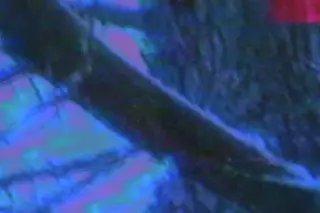
REMEMORATION
The film does not preserve memory. It performs its loss.
Hypnagogia begins with mental images that are already incomplete. Places, identities and events remain as fragments at the border between remembering and forgetting.
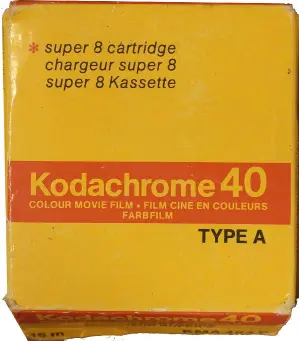
Period cameras, obsolete stocks and domestic video formats create a material parallel with those recollections. As the support is replayed, scratched or chemically altered, fiction enters the archive.
TEMPS IMAGE
Distortion becomes print.
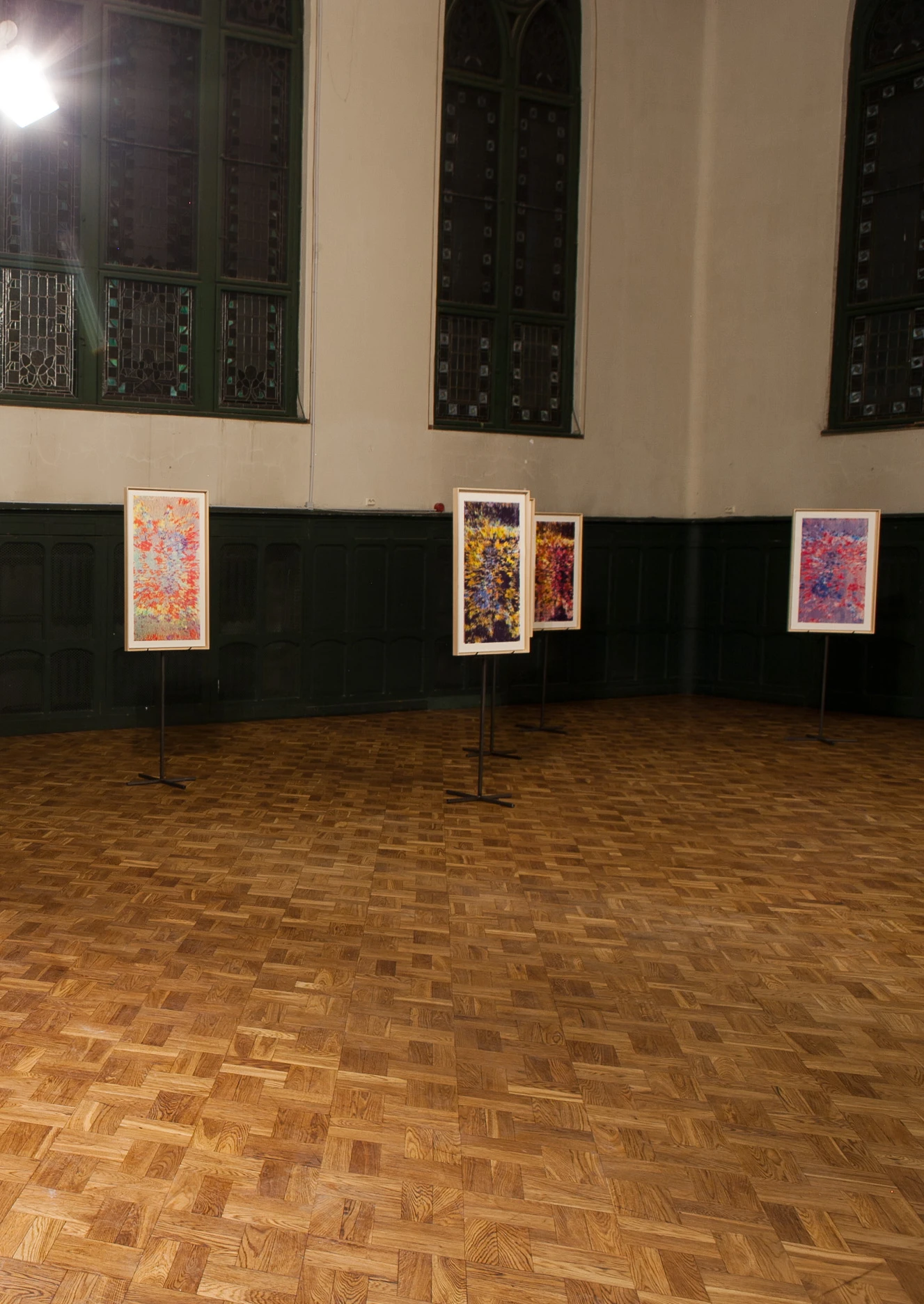
Video dropouts from Le 26ème Passage are enlarged, separated into printing colours and rebuilt through successive screen-printing layers.
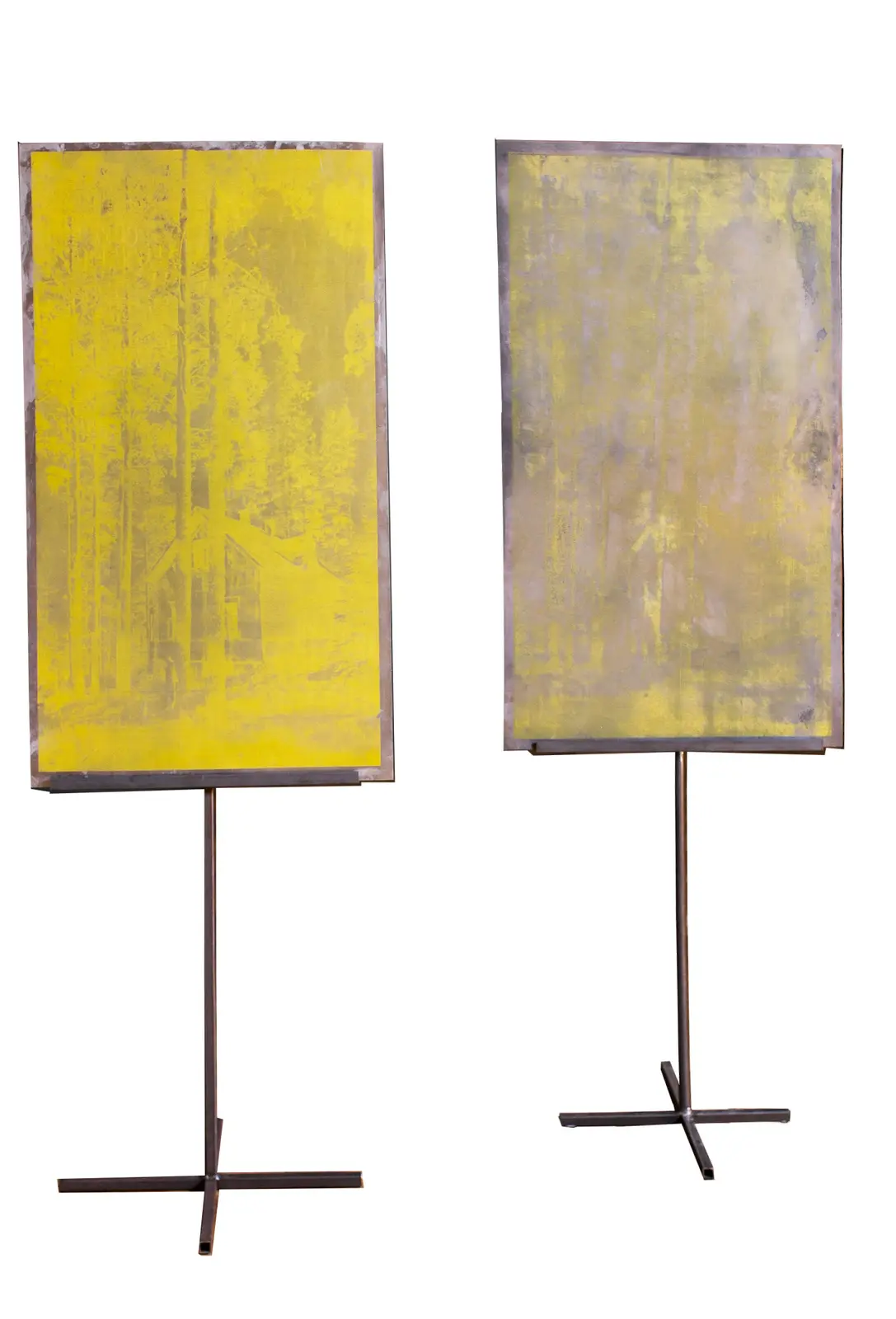
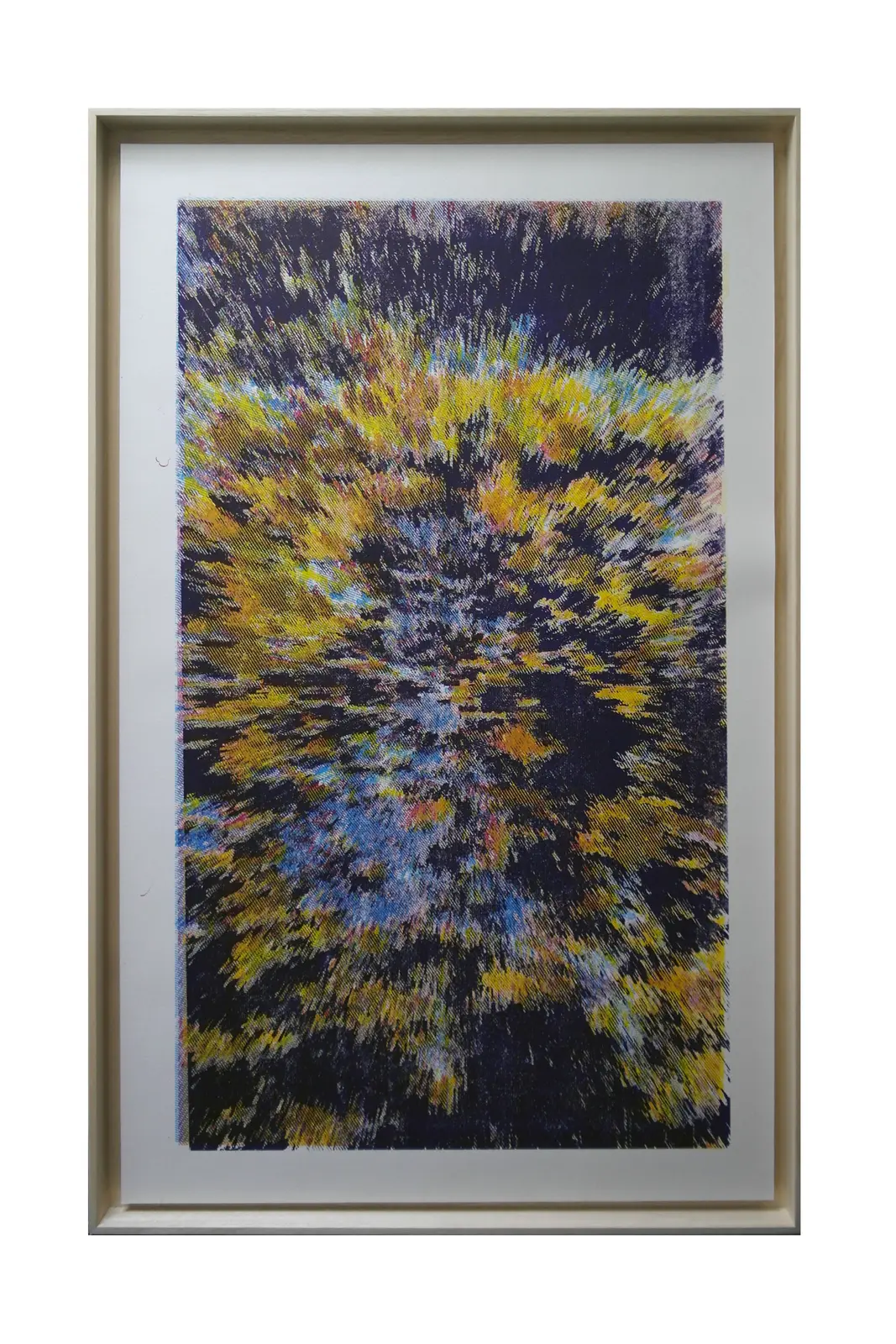
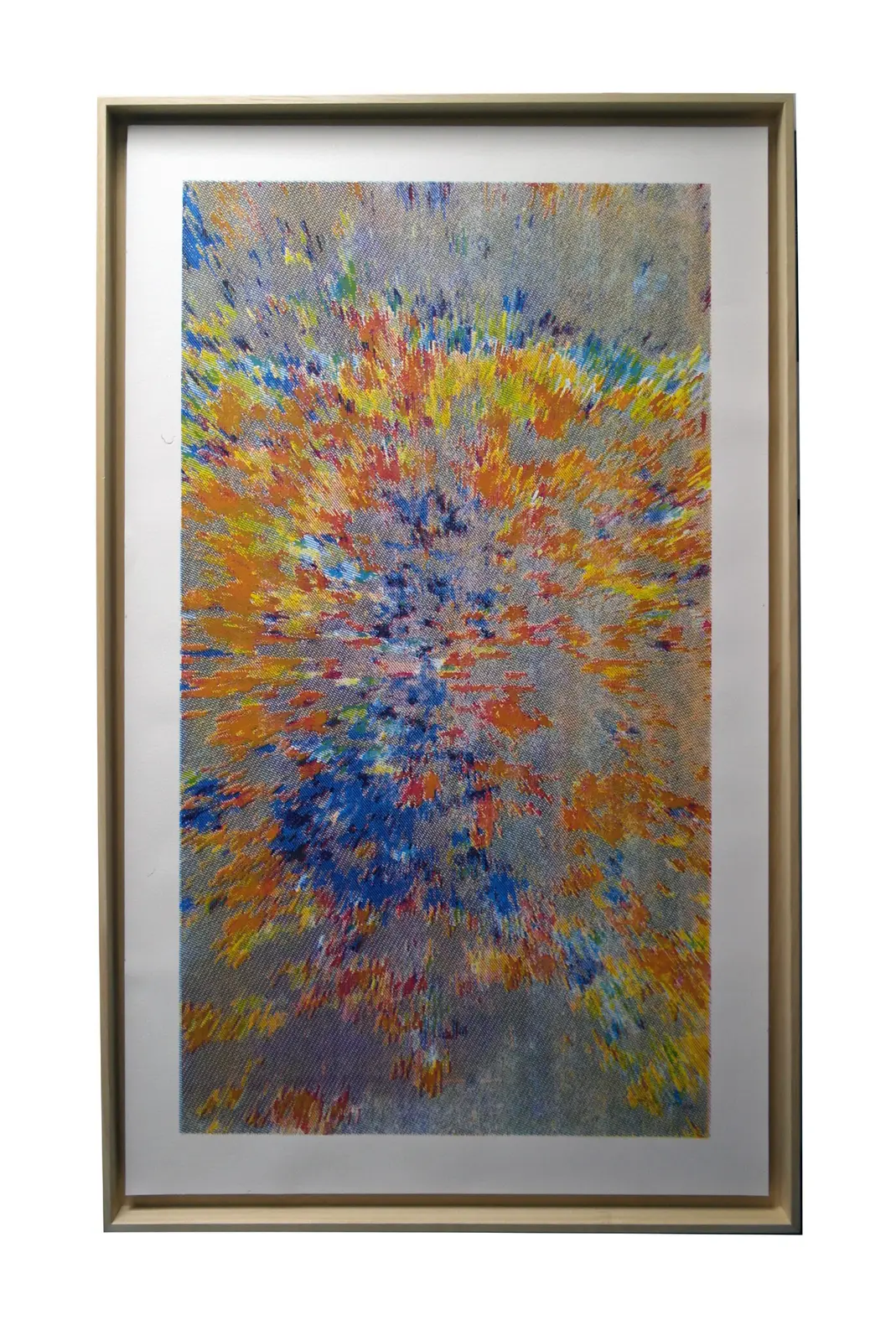
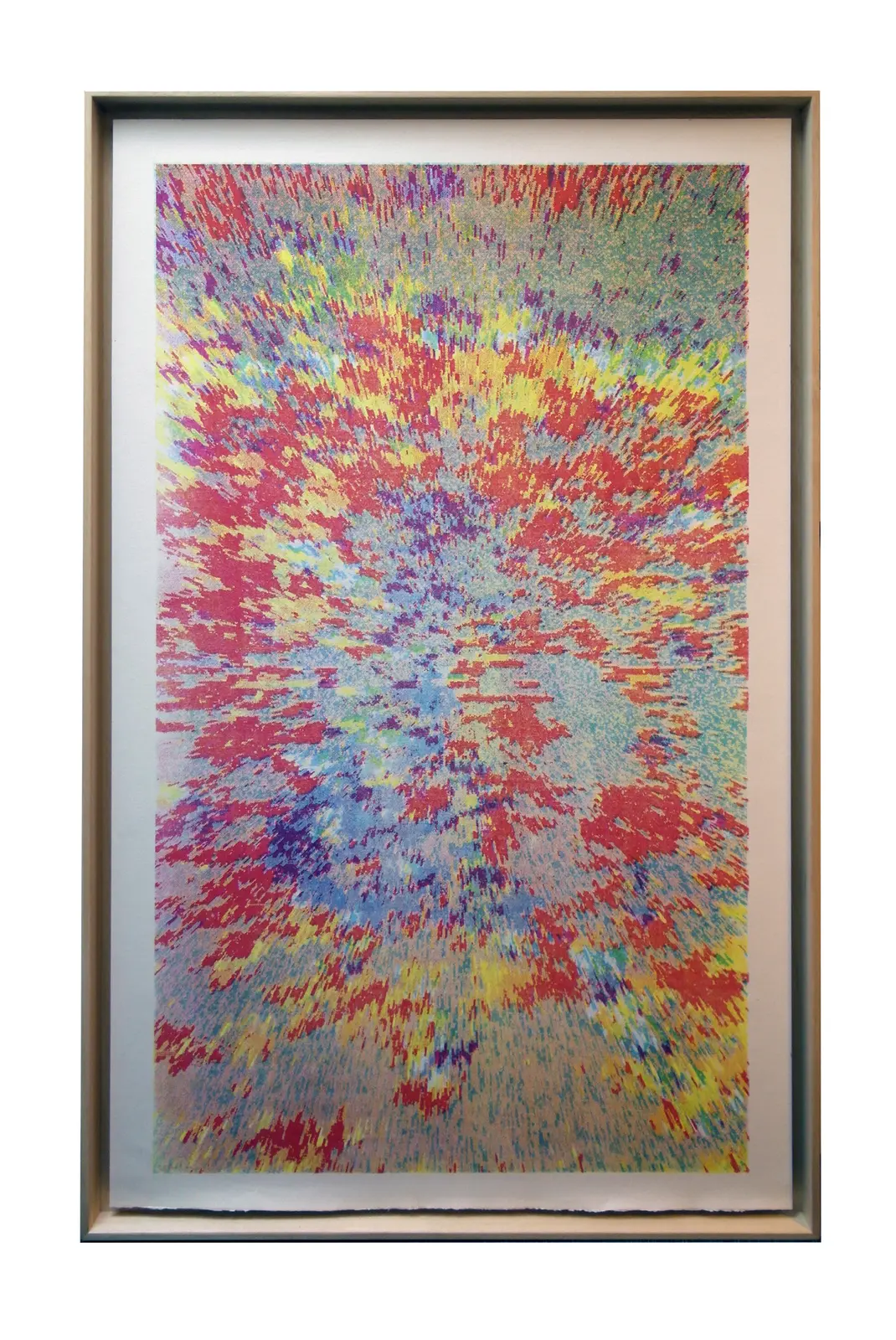
Screen prints in situ — Riga — 2016
PROCESS
A protocol for an unstable image.
- 01Memory
Choose a place, date or inherited story whose image remains incomplete.
- 02Period device
Record it with an amateur film format connected to the remembered time.
- 03Repeated reading
Replay the native material until the tape, film or mechanism marks the image.
- 04Extraction
Isolate dropouts, scratches and unstable frames as visual evidence.
- 05Reconstruction
Translate those fragments into prints, loops and spatial apparatus.
ANALOGUE MATTER
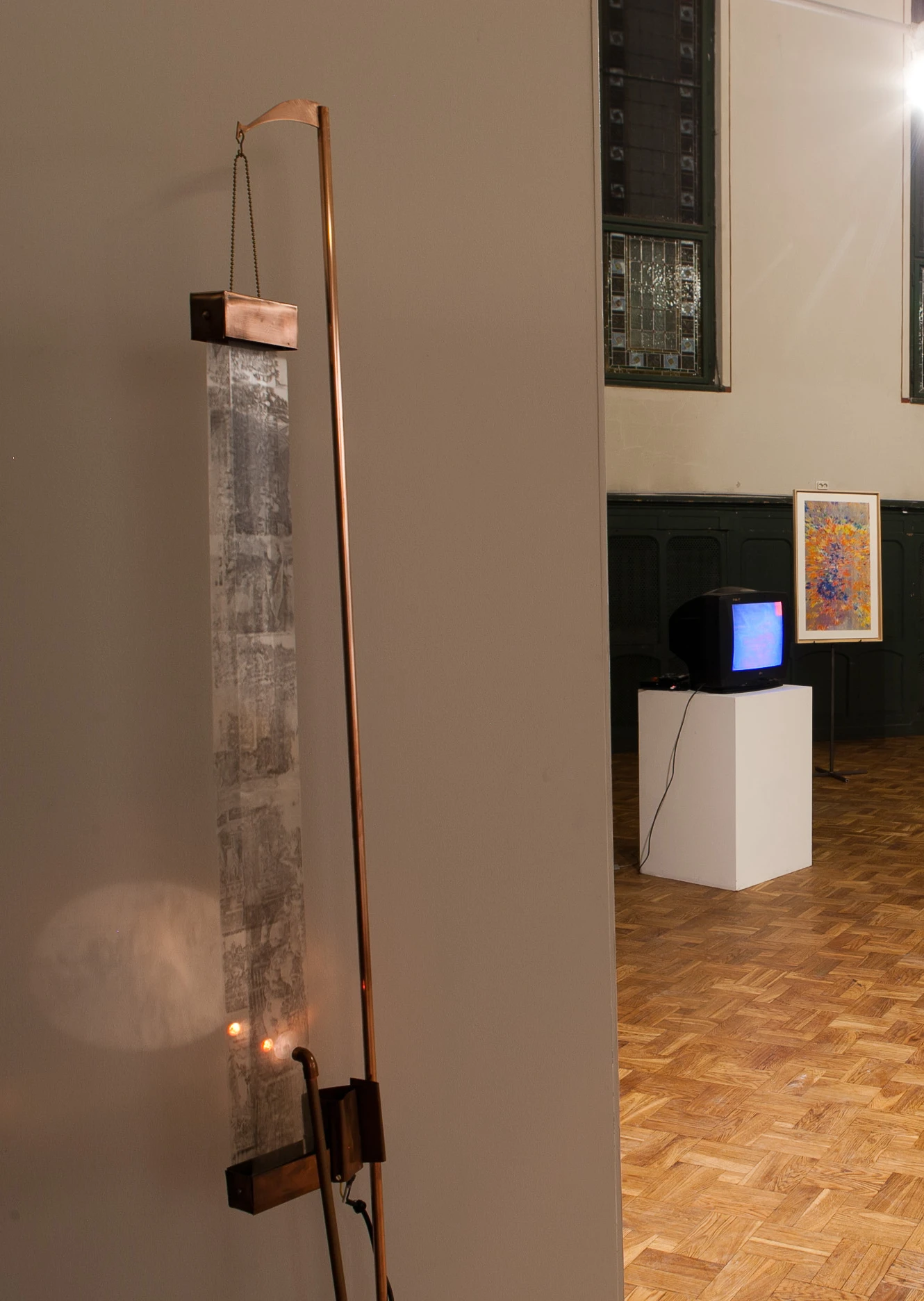
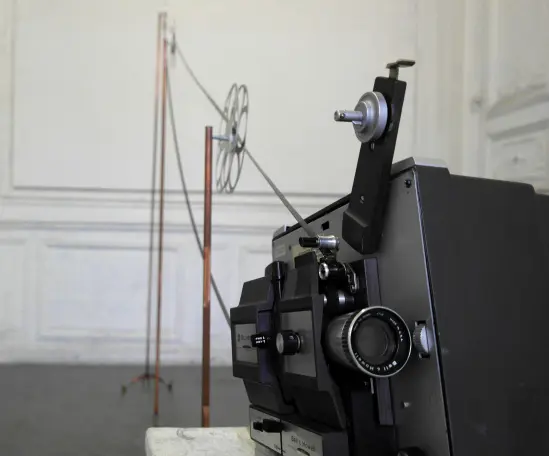
The apparatus alters what it shows.
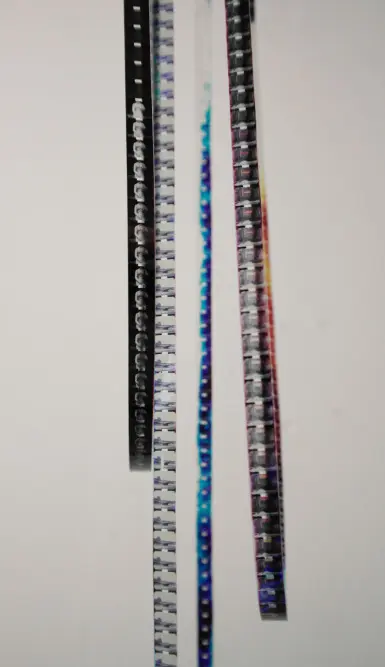
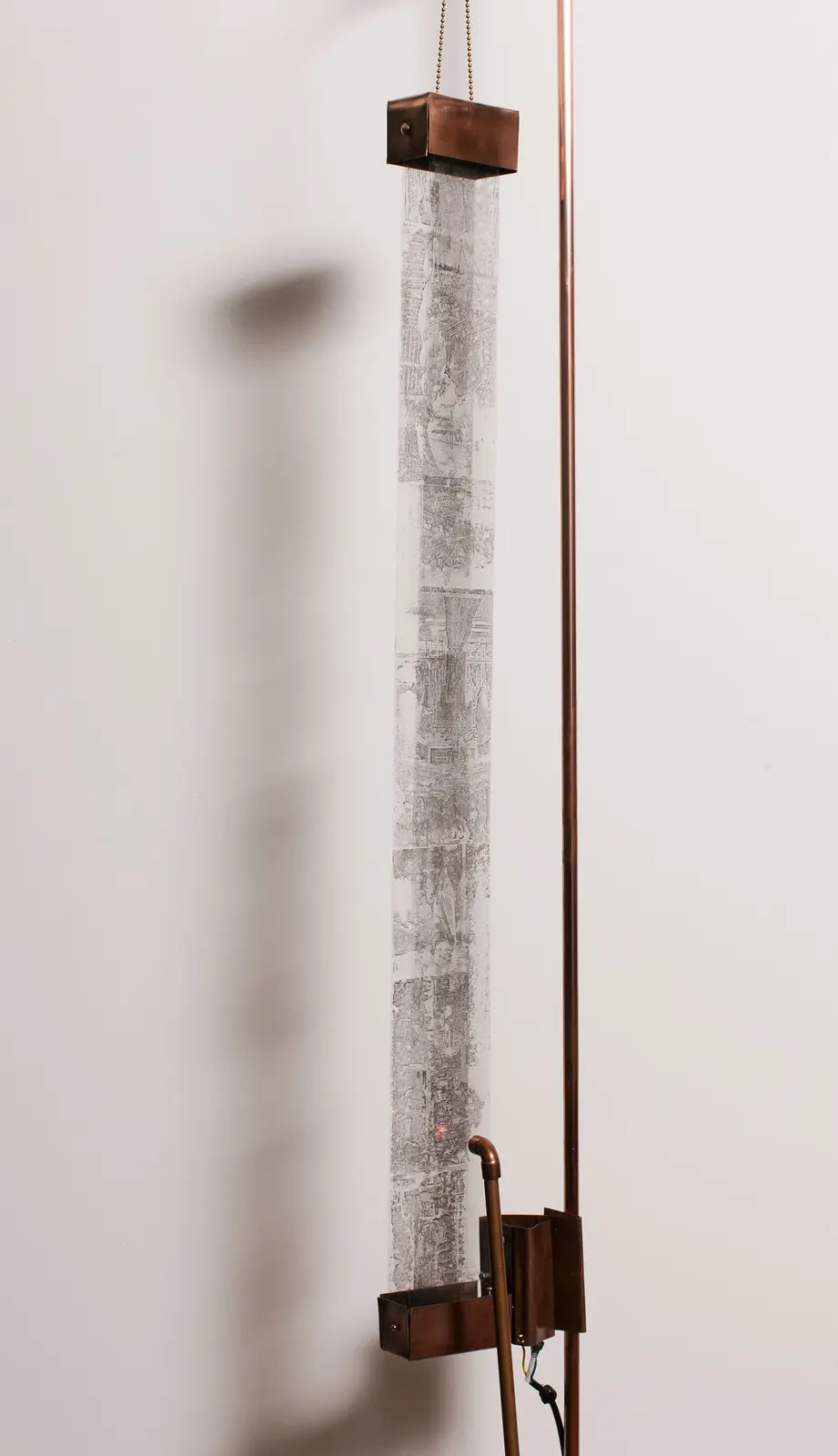
Film loops, copper structures and repaired projectors turn projection into a physical event. The image is read and damaged at the same time.
CONTINUITY
Print, rhythm, sequence and movement are already inseparable here. The later motion-design practice uses different production conditions, but the attention to duration and the behaviour of images precedes it.